

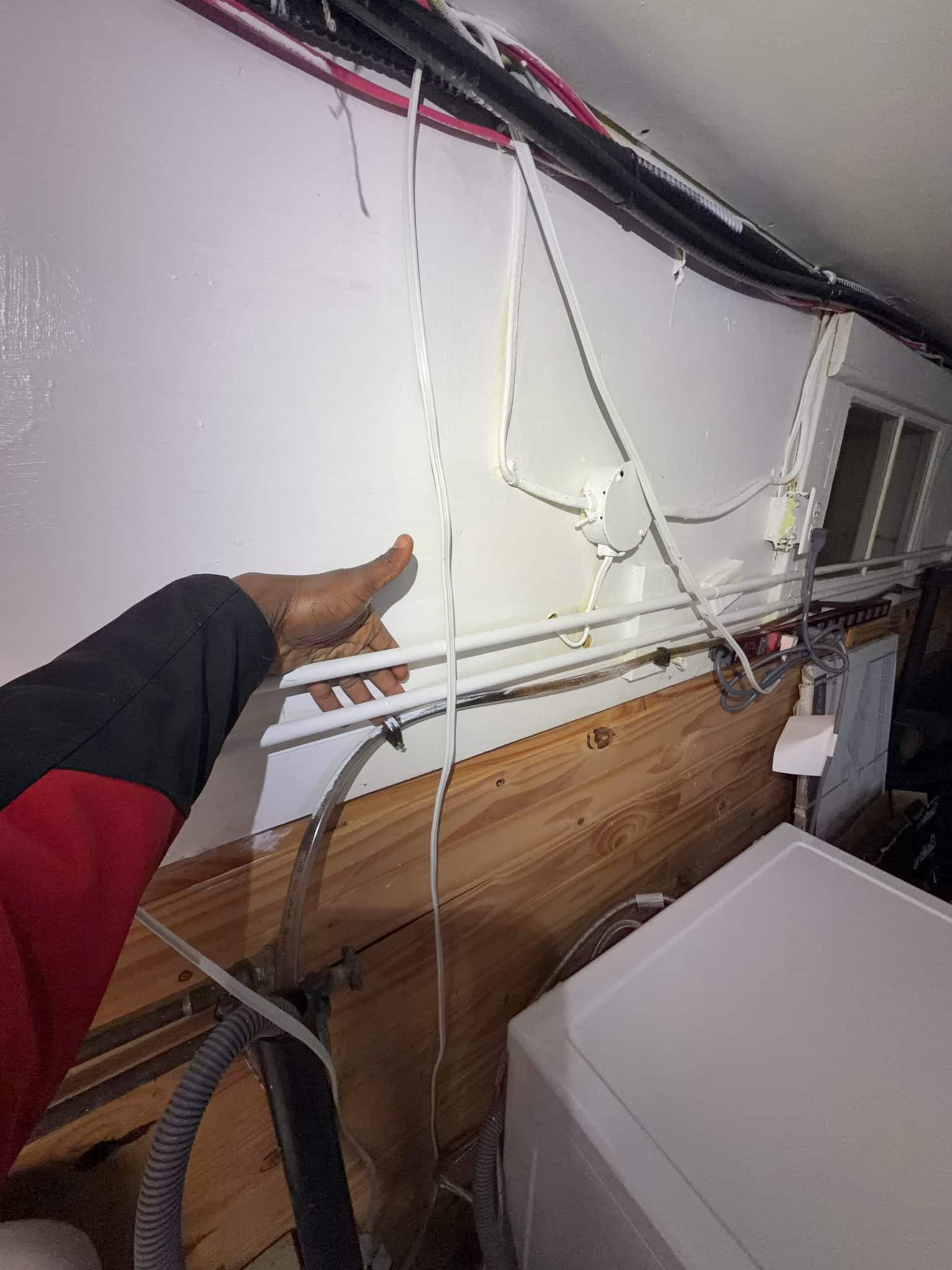
When temperatures plunge in Halifax, one of the most dreaded words a homeowner can hear is “burst pipe.” A single frozen pipe that ruptures can cause tens of thousands of dollars in damage, destroy belongings, and leave your family without water during the coldest months of the year. The good news? With proper prevention and knowledge, you can protect your home from this winter nightmare.
Why Nova Scotia’s Climate Is Particularly Challenging
Halifax winters are particularly tough on plumbing. Unlike regions with consistently freezing temperatures, we experience frequent freeze-thaw cycles that put extra stress on pipes. A pipe might freeze overnight, thaw during the day, and freeze again – each cycle weakening the pipe material and increasing the risk of failure.
Our coastal climate also brings high humidity, which can cause condensation in crawl spaces and basements, creating additional challenges for maintaining proper temperatures around vulnerable pipes.
Understanding How Pipes Freeze and Burst
It’s a common misconception that ice expanding inside a pipe causes it to burst. The real culprit is water pressure. When water freezes in a pipe, it creates a blockage. Water behind the blockage (between the ice and your closed faucet) continues to freeze and expand, building up tremendous pressure – sometimes exceeding 2,000 pounds per square inch(PSI).
This pressure eventually causes the pipe to fail, typically at its weakest point. When the ice melts, water comes flooding out through the rupture. The worst part? You might not discover the damage until the thaw, when water begins flowing, and you’re suddenly dealing with a flood.
Identifying Your Most Vulnerable Pipes
Not all pipes are created equal when it comes to freeze risk. Here’s where you should focus your prevention efforts:
Exterior Walls: Pipes running through exterior walls have minimal insulation between them and outside temperatures, making them highly susceptible to freezing. This is a common renovation mistake and experienced contractors know not to run plumbing through exterior walls without additional freeze protection.
Unheated Spaces: Pipes in garages, crawl spaces, attics, and unfinished basements are exposed to near-outdoor temperatures and are prime candidates for freezing. Many of these locations are susceptible to air infiltration, inadequate insulation and heating.
Outdoor Hose Bibs: These exterior faucets are directly exposed to the elements and are often the first to freeze.
Pipes in Cabinets: Kitchen and bathroom sinks along exterior walls often have pipes hidden in cabinets where warm air doesn’t circulate well.
Inadequately Insulated Areas: Even pipes in heated spaces can freeze if insulation is missing or compromised, particularly in older Halifax homes where insulation standards weren’t as stringent.
Essential Prevention Strategies
Protecting your pipes requires a multi-layered approach. Start with these proven strategies:
Insulate, Insulate, Insulate: Pipe insulation is cheap insurance. Foam pipe sleeves, heat tape, or even newspaper wrapped around pipes can make the difference. Focus on pipes in unheated spaces first, then move to those along exterior walls.
Seal Air Leaks: Cold air infiltrating around pipes dramatically increases the risk of freezing. Seal gaps where pipes pass through walls, floors, or ceilings. Check for drafts around dryer vents, windows, and doors near plumbing.
Disconnect and Drain Outdoor Hoses: Remove garden hoses from outdoor faucets before the first hard freeze. Drain the hose bibs and, if possible, shut off the interior valve supplying water to them. Leave the outdoor faucet open to drain any remaining water. Install a frost-free (or frost-proof) hose bib – an outdoor faucet designed to prevent pipes from freezing and bursting by placing the shut-off valve deep inside the heated part of the house, rather than on the exterior wall.
Keep Cabinet Doors Open: During extreme cold, keep cabinet doors under sinks along exterior walls open. This allows warm air from your home to circulate around the pipes.
Maintain Consistent Heating: Don’t drastically lower your thermostat when you’re away, even if you’re trying to save money. Keep your home at a minimum of 13-15°C (55-60°F) at all times during winter.
Let Faucets Drip: During severe cold snaps, allow faucets connected to vulnerable pipes to drip slightly. Moving water is much harder to freeze, and the drip relieves pressure if ice does form.
Know Your Main Water Shut-Off: In an emergency, you need to shut off water immediately. Make sure everyone in your household knows where the main shut-off valve is located and how to use it. This is especially why we always locate your main water shutoff during your home inspection.
Special Considerations for Halifax Homes
Halifax’s unique housing stock presents specific challenges:
Older Homes: Many Halifax homes were built before modern insulation standards. If you own a heritage home or older property, pay extra attention to perimeter plumbing and consider retrofitting insulation where possible.
Crawl Spaces: Common in Halifax homes, crawl spaces can be particularly vulnerable. Ensure yours is properly insulated and vented appropriately for winter conditions. Some homeowners benefit from temporarily closing foundation vents during the coldest months.
Slab-on-Grade Foundations: Pipes in homes built on slabs are often vulnerable at their entry points through the foundation. These areas need extra insulation and attention.
What to Do If a Pipe Freezes
Despite your best efforts, a pipe might still freeze. Here’s how to respond:
Act Quickly: If you turn on a faucet and only a trickle comes out, suspect a frozen pipe. The faster you act, the better your chances of preventing a burst.
Keep the Faucet Open: Leave the affected faucet open so that as ice melts, water and steam can escape, relieving pressure.
Apply Gentle Heat: Use a hair dryer, heat lamp, or hot towels to warm the pipe, working from the faucet back toward the frozen section. Never use open flames, propane torches, or high-heat devices that could damage pipes or start a fire.
Check All Faucets: If one pipe is frozen, others might be too. Check all water sources in your home.
Call a Professional: If you can’t locate the freeze, can’t access the pipe, or if a pipe has burst, shut off your main water valve immediately and call a licensed plumber.
The Cost of Prevention vs. Repair
Professional pipe insulation and winterization typically costs a few hundred dollars. Compare that to the average cost of repairing burst pipe damage, often $5,000 to $20,000 or more when you factor in water damage, drywall repair, flooring replacement, and potential mold remediation.
Your insurance deductible alone might exceed the cost of proper prevention. Plus, frozen pipe claims can impact your insurance premiums for years to come.
Schedule a Pre-Winter Inspection
The best time to protect your pipes is before winter arrives, but it’s never too late to take action. A professional home inspection can identify vulnerable areas in your plumbing system and recommend specific prevention strategies tailored to your home.
At Acetech Home Inspections Inc., we understand the unique challenges Halifax homeowners face with winter weather. We can assess your home’s vulnerable areas, check insulation adequacy where visible and with thermal imaging where not visible, identify air leaks, and provide a comprehensive prevention plan to keep your pipes flowing all winter long.
Don’t wait for a burst pipe to discover which areas of your plumbing are at risk. Contact Ace Tech Home Inspections today to schedule a winterization assessment and protect your home from Nova Scotia’s harsh winter conditions.
After all, an ounce of prevention is worth a gallon of avoided water damage.