

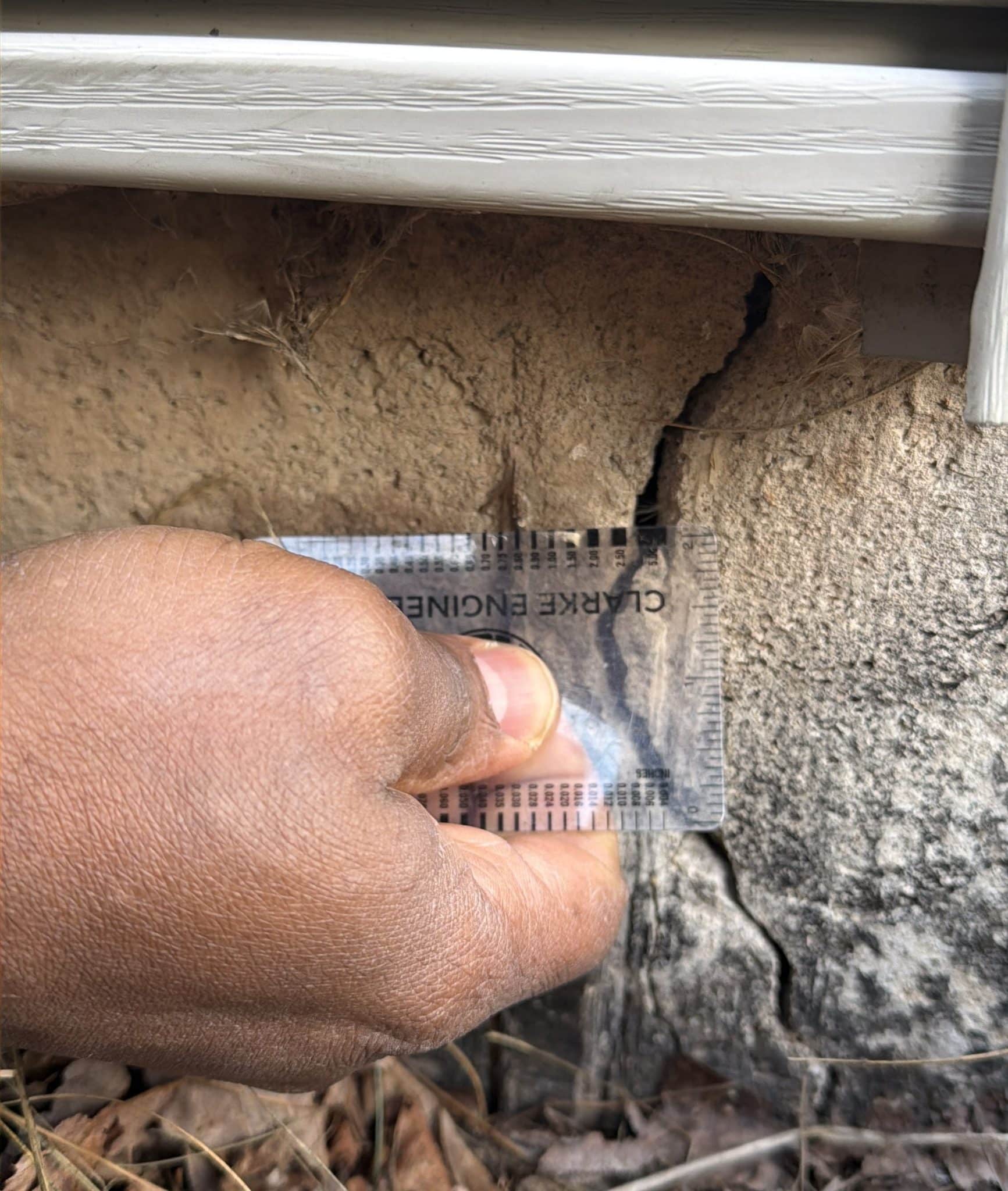
Foundation cracks can be a source of anxiety for homeowners, as they often signify underlying issues that may compromise the integrity of a house. Understanding the causes, types, and implications of these cracks is crucial for any homeowner. This article will delve into the types of foundation cracks, their characteristics, and when to seek professional help. By the end, you will be equipped with the knowledge to assess the condition of your home’s foundation and take appropriate action.
What Are Foundation Cracks?
Foundation cracks are fissures that develop in the concrete or masonry of a foundation. These cracks can vary in size, depth, and severity. Although some cracks may appear superficial, others can indicate serious structural problems that, if left unchecked, could lead to significant damage to the home.
Common Causes of Foundation Cracks
Several factors can lead to foundation cracks, including:
- Soil Movement: Changes in soil moisture levels can cause soil to expand or contract, impacting the stability of the foundation.
- Poor Drainage: Water pooling around the foundation can lead to erosion and cracking.
- Temperature Fluctuations: Extreme heat or cold can cause concrete to expand and contract, leading to cracks.
- Settlement: As the foundation settles over time, it may crack if not properly supported.
Types of Foundation Cracks
Cosmetic Hairline Cracks
Cosmetic hairline cracks are minor fissures that usually do not indicate serious issues. They are typically less than 1/8 inch wide and may appear due to normal settling or temperature changes.
Structural Foundation Cracks
On the other hand, structural foundation cracks are wider and can signal serious problems. These cracks often measure more than 1/4 inch in width and can lead to significant structural damage if not addressed promptly.
Identifying Cosmetic Hairline Cracks
Characteristics of Hairline Cracks
Hairline cracks are generally thin and shallow, often seen on interior walls or ceilings. They typically display a vertical or diagonal pattern and are usually harmless.
When to Worry About Hairline Cracks
While hairline cracks are usually not a cause for concern, homeowners should monitor them. If you notice significant changes in size or if they begin to occur alongside other issues like doors sticking or uneven floors, it may be time to consult a professional.
Understanding Structural Concerns
Signs of Structural Issues
When it comes to structural cracks, there are several signs to watch for, including:
- Bowing or leaning walls
- Doors and windows that do not close properly
- Cracks wider than 1/4 inch
If you observe any of these signs combined with noticeable cracks, it’s essential to take action.
Common Causes of Structural Foundation Cracks
Structural cracks may result from more serious issues such as:
- Excessive water saturation leading to soil erosion
- Improper foundation design or failure to adhere to building codes
- Nearby construction that disturbs the soil surrounding the foundation
The Importance of Home Inspection
When to Schedule a Home Inspection
Every homeowner should schedule a home inspection, especially when purchasing a new home or if they see troubling signs of damage. It is advisable to have a professional evaluate the foundation every few years to ensure that any developing issues can be addressed in their early stages.
What Inspectors Look For
During a home inspection, professionals look for several key indicators of foundation issues, such as:
- Visible cracks in the foundation
- Signs of water damage or moisture buildup
- Uneven floors or walls
Inspectors may use specialized tools to assess the stability and integrity of the foundation, providing homeowners with valuable insights.
Understanding foundation cracks is essential for any homeowner. By recognizing the differences between cosmetic and structural cracks, you can take the necessary steps to protect your home. Regular inspections and monitoring can help catch issues before they escalate into expensive repairs. Investing time in understanding these cracks will lead to a safer and more stable home.
FAQs
1. What should I do if I discover a foundation crack?
If you discover a crack, first assess its width and location. Monitor it for changes, and if it widens or you notice other signs of structural issues, contact a professional.
2. How much does it cost to repair foundation cracks?
Repair costs can vary greatly depending on the severity of the cracks and the necessary repairs. Minor cosmetic fixes may cost a few hundred dollars, while structural repairs can range into thousands.
3. Can I fix foundation cracks myself?
Minor hairline cracks may be repaired using caulk or filler. However, for structural cracks, it is best to consult with a professional to ensure the integrity of your foundation is maintained.
4. How often should I check my foundation for cracks?
It is advisable to inspect your foundation at least once a year, especially after heavy rainfall or extreme temperature changes.
5. What are the signs that I need a foundation inspection?
Signs include significant cracks, doors and windows that stick, and uneven floors. If you notice any of these symptoms, consult a foundation expert.