

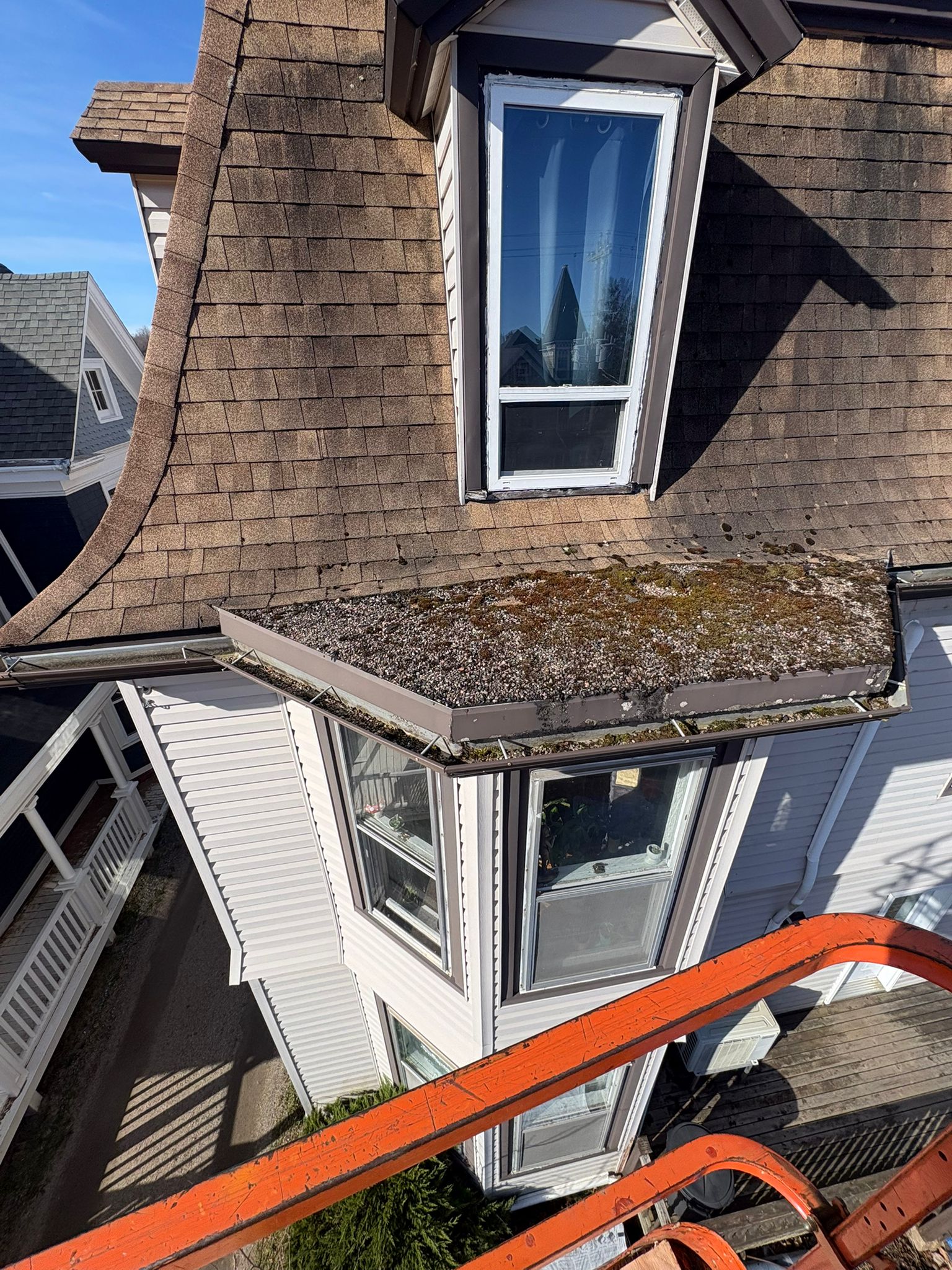
 Winter can be hard on a roof, especially in Nova Scotia, where homes deal with snow, ice, wind, freezing rain, and repeated freeze-thaw cycles. By the time spring arrives, many homeowners are focused on cleaning up the yard, opening windows, and preparing for warmer weather. But one of the most important spring maintenance tasks is checking the roof.
A spring roof inspection helps you catch small problems before they become expensive leaks, structural damage, or interior moisture issues. You do not need to climb onto the roof to spot many warning signs. In fact, homeowners should avoid walking on the roof unless they are trained and have proper safety equipment. Many roof concerns can be identified from the ground, from inside the attic, or during a professional home maintenance inspection.
Why spring roof inspections matter
Your roof is your home’s first line of defense against rain, snow, wind, and ice. During winter, shingles can lift, loosen, crack, or lose granules. Flashing around chimneys, vents, skylights, and roof intersections can also shift or deteriorate.
Even a small opening in the roof system can allow water to enter. Once moisture gets inside, it can damage insulation, stain ceilings, rot wood framing, and contribute to mold growth. These issues are often easier and less expensive to address when they are caught early.
Spring is an ideal time to inspect because the roof has just come through the harshest season, and there is still time to make repairs before heavy spring and summer rains.
What homeowners can check from the ground
Start by walking around the outside of your home and looking up at the roof from a safe location. Binoculars can help you see details without needing a ladder.
Look for missing shingles, lifted edges, cracked shingles, curled corners, or sections that appear uneven. Pay attention to areas where the roof changes direction, such as valleys, dormers, and roof wall intersections. These spots are more vulnerable to water penetration.
You should also look for dark patches or areas where shingles appear worn. This may indicate granule loss. Asphalt shingles rely on granules to protect the surface from sun and weather. If you find piles of granules in your gutters or at the end of your downspouts, that may be a sign the shingles are aging or have been damaged.
Check the gutters and downspouts
Your gutters can tell you a lot about the condition of your roof. After winter, gutters may be clogged with leaves, twigs, shingle granules, and debris. If gutters are blocked, water can back up under the roof edge or overflow near the foundation.
Look for sagging gutters, loose fasteners, overflowing sections, or downspouts that are disconnected. Water should be directed away from the home, not discharged beside the foundation.
If you see a large amount of shingle grit in the gutters, it may be worth having the roof reviewed. Some granule loss is normal as shingles age, but heavy accumulation can point to wear or storm damage.
Look inside the attic
The attic is one of the best places to find early warning signs of roof problems. If it is safe to access, look for water stains, dark spots on roof sheathing, damp insulation, mold like staining, or daylight coming through gaps.
You should also check for signs of poor ventilation. Frost, condensation, musty smells, and damp insulation can all suggest that warm interior air is entering the attic or that the attic is not ventilating properly.
A roof can look acceptable from the outside while still showing moisture concerns inside the attic. That is why a complete inspection should include both exterior and interior checks.
Pay attention to flashing
Flashing is the metal or waterproof material used around roof penetrations and transitions. It is commonly found around chimneys, plumbing vents, skylights, roof valleys, and where the roof meets a wall.
Damaged or poorly installed flashing is a common source of roof leaks. From the ground, look for loose metal, gaps, rust, missing sealant, or areas that appear lifted. Inside the home, stains on ceilings near chimneys, bathrooms, or exterior walls may point to flashing issues.
Flashing repairs should usually be handled by a qualified roofing professional, as improper repairs can trap water or worsen leaks.
When shingle damage needs professional attention
Some roof issues are minor, but others require prompt repair. You should contact a professional if you notice missing shingles, active leaks, sagging roof areas, damaged flashing, exposed underlayment, widespread granule loss, or repeated ice dam damage.
You should also get professional advice if your roof is nearing the end of its expected life. Older shingles may still look acceptable from a distance, but they can become brittle, loose, or more vulnerable to wind damage.
A home inspector can help identify visible concerns and recommend when a roofing contractor or specialist should review the roof further.
Do not ignore small roof problems
Small roof issues rarely stay small. A single lifted shingle, blocked gutter, or small flashing gap can lead to water damage if left unaddressed. Spring is the right time to find and fix these issues before the wet season puts the roof to the test.
If you are buying a home, selling a home, or simply want to understand the condition of your property, a roof and exterior inspection can give you valuable peace of mind.
AceTech Home Inspections helps homeowners and buyers in the Halifax area identify visible roof, attic, exterior, and moisture concerns before they become bigger problems. Contact us to schedule a professional inspection this spring.


